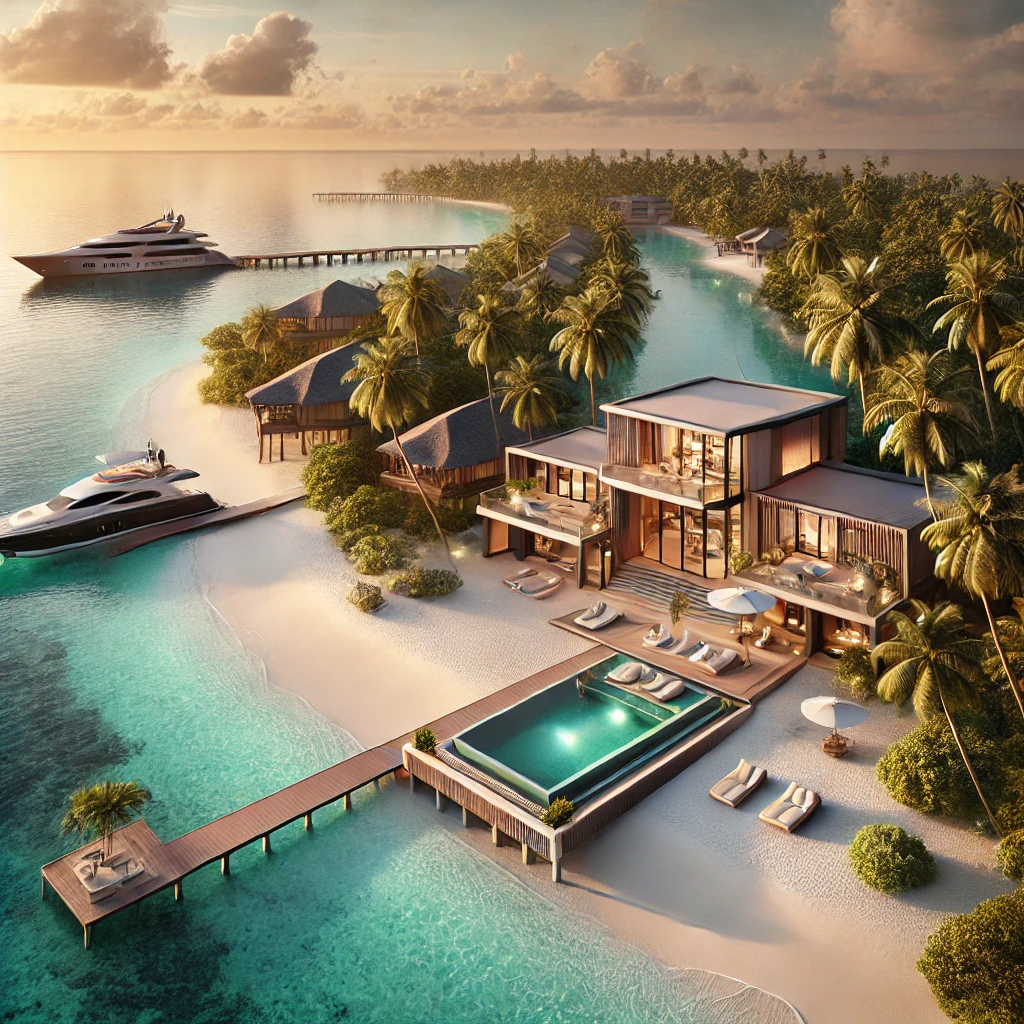
In the highly competitive hospitality industry, the design of a resort plays a pivotal role in shaping guest experiences. Effective resort design goes beyond aesthetics; it encompasses functionality, ambiance, and sustainability, all of which contribute significantly to how guests perceive and enjoy their stay. In this article, we will explore how thoughtful design elements can enhance guest experiences, create lasting memories, and promote guest loyalty.
Understanding Guest Expectations
Today’s travelers have high expectations when it comes to their accommodations. They seek not just a place to stay but an immersive experience that resonates with their desires and lifestyle. This shift in guest expectations has prompted resort designers to think creatively and strategically about how to craft environments that foster satisfaction and delight.
Creating a Welcoming Atmosphere
One of the first impressions guests have upon arrival is the atmosphere of the resort. The entrance should evoke a sense of warmth and welcome. Incorporating natural elements, such as water features, lush landscaping, and local flora, can create a serene ambiance that puts guests at ease. Moreover, the use of lighting—both natural and artificial—can dramatically affect mood. Thoughtful placement of windows to maximize views and sunlight, coupled with soft lighting in common areas, can enhance relaxation and comfort.
Functional Layout and Space Optimization
Resort design must prioritize functionality to ensure guests can navigate the space easily. A well-planned layout minimizes confusion and enhances the flow between different areas, such as the lobby, dining, and recreational spaces. Open-concept designs can foster social interactions among guests, creating opportunities for connection and engagement. This layout encourages guests to explore the resort more thoroughly, enhancing their overall experience.
Emphasizing Local Culture and Heritage
Incorporating elements of local culture and heritage into the resort’s design can greatly enhance guest experiences. From architecture that reflects the region’s history to artwork created by local artisans, these design choices can create a sense of place that resonates with guests. When travelers feel connected to their destination, it enriches their experience, making it more memorable. Additionally, showcasing local traditions through design can help guests appreciate the cultural diversity of the area, making their stay more meaningful.
Integrating Technology for Enhanced Comfort
In today’s digital age, technology integration is crucial in resort design. Smart technology can enhance the guest experience by offering personalized services and conveniences. Features such as mobile check-in, keyless room entry, and smart room controls allow guests to tailor their environment to their preferences. For example, the ability to adjust lighting and temperature from a mobile device can create a more comfortable stay, while digital concierge services can provide guests with instant access to information and services.
Sustainable Design Practices
Sustainability is an essential consideration in modern resort design. Guests are increasingly conscious of their environmental impact, and resorts that prioritize eco-friendly practices can enhance their appeal. Incorporating renewable energy sources, water conservation systems, and sustainable materials in construction can not only reduce the resort’s carbon footprint but also attract eco-conscious travelers. Furthermore, designs that blend harmoniously with the natural landscape can provide guests with a sense of tranquility, reinforcing the idea of harmony with nature.
Wellness and Relaxation Spaces
As travelers seek more wellness-oriented experiences, incorporating relaxation spaces into resort design is crucial. Creating areas dedicated to wellness—such as spas, yoga decks, and quiet lounges—allows guests to unwind and rejuvenate. The design of these spaces should prioritize comfort and serenity, featuring natural materials, calming colors, and soothing scents. Offering outdoor wellness spaces, such as gardens or terraces, can enhance the connection to nature, further enriching the guest experience.
Enhancing Social Interactions
Resorts are often a hub for social interactions among guests. Thoughtful design can facilitate these connections by creating communal spaces that encourage mingling. This can include comfortable lounges, fire pits, or shared dining areas. Design elements that foster a sense of community—such as open seating arrangements and communal dining experiences—can make guests feel more connected to each other, enhancing their overall experience.
Conclusion
The role of resort design in enhancing guest experience cannot be overstated. From creating a welcoming atmosphere to incorporating local culture, technology, and sustainability, every design choice impacts how guests perceive their stay. By prioritizing thoughtful design, resorts can create environments that not only meet but exceed guest expectations, fostering lasting memories and encouraging repeat visits. In a world where experiences matter more than ever, investing in resort design is not just beneficial; it is essential for success in the hospitality industry. As the landscape of travel continues to evolve, resorts that embrace innovative design principles will undoubtedly thrive, offering unparalleled guest experiences that resonate long after checkout.